Friday, April 21, 2023

KILIMANJARO SCENIC FLIGHT AND HELICOPTER EVACUATION COST


📌EXPLORE KILIMANJARO WITH HELICOPTER 
Kilimanjaro Helicopter Tour
The Kilimanjaro helicopter tour starts from Moshi Airport. Taking off, the pilot will point the helicopter to the East, making a flight over the city. During your flight, you will be able to see all the
climbing routes to Kilimanjaro
 while skirting the mountain range. You will also fly over 

📌Lake Chala
Which is the largest tectonic lake in the Kilimanjaro area.
Region: Kilimanjaro
Kilimanjaro Helicopter Tour 
➡️Duration: 45 minutes
➡️Distance: 5 km from the center of Moshi

📍What to bring: Camera
PRICE FROM
➡️ 1 PAX $3800 
➡️ 2 PAX $2000 
Duration Time: 45 MINUTES

KILIMANJARO HELICOPTER TOUR
📌Included in cost:
➡️45-minute helicopter flight over Kilimanjaro;
➡️Drinks;
➡️Lunch boxes.

📌The price does not include:
➡️Helicopter flight above the crater of Kilimanjaro (as this is prohibited by the rules of the Kilimanjaro National Park).

📌CLIMB MOUNT KILIMANJARO WORRY LESS , HELICOPTER RESCUE AVAILABLE FOR YOU.

📍KILI FASTA 
➡️Its available service that we can organize for you after your trekking to Mount Kilimanjaro, it's applied to those who are tired in way that they struggling to descend by themselves or they got some small cases like knees problem , ankle twisted and muscles pain.
PRICE'S
➡️1 PAX $3700 Per person
➡️2 PAX $2000 Per person

📍 EVACUATION FOR SERIOUS ALTITUDE ISSUES FOR  CLIMBERS 
 They got sick due to high altitude

📌PRICE ONLY APPLIED FOR ONE PEOPLE AND HE / HER ESCORTED BY ONE PEOPLE. 
PRICE
➡️1 PAX $5000-$8000 ( Price it Depends with situations )

Book your Adventure With Us With Confidence , your safety our Preority.
📩 bookingfootonkilitanzania@gmail.com
🌐http://www.footonkilimanjaro.weebly.com

Thursday, April 20, 2023

MOUNT KILIMANJARO ZEBRA ROCK


MOUNT KILIMANJARO
@ZEBRA ROCK
#MARANGU ROUTE

Altitude:4010 m.a.m.s.l.

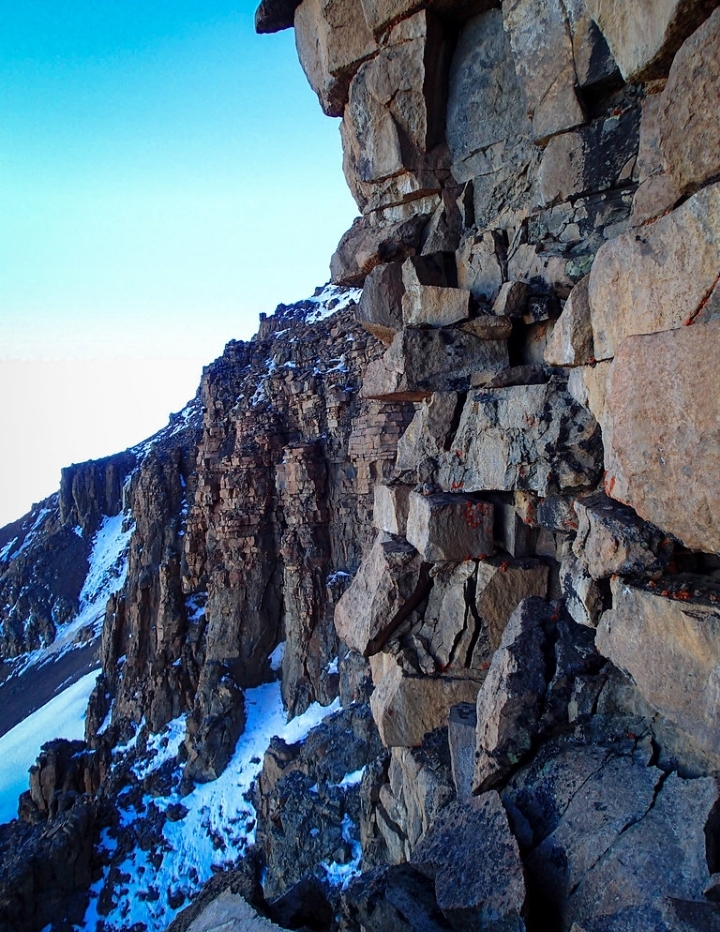
📍A set of large volcanic rocks on mt. Kilimanjaro, with a striped pattern that resembles that of a Zebra.

Predominantly a lava cliff, they were formed when mineral rich rain water flowed down on the rocks, turning them partially white or black in some places.

➡️The rocks are used as a destination for an acclimatization hike.

📍Climbers on the 6 day Marangu route are given the option of hiking to the rocks so as to acclimatize themselves to the high altitude, before coming back down to Horombo huts.

📍Whereas those on a 5 day variation of the route continue on to Kibo huts on day 3.

📍What to do there
Hiking, picnics, or the usual photo sessions.

📍Best time to visit
The months of July to February each year, when its warmer and less likely to rain — more hiking time.

📍Location of Zebra rocks
Zebra rocks are about a half hour hike from Horombo huts, and along the route to Mawenzi campsite.

➡️The route to Kibo huts also runs nearby.

📍Like Horombo huts, Zebra rocks are close to the border between the moorland and alpine desert regions of the mountain.

➡️The area does receive some rainfall and has a few small animals such as birds and rodents.

📍How to get there
By hiking only.
Book your climb to Mount Kilimanjaro Marangu Route With Us
📩 bookingfootonkilitanzania@gmail.com
🌐 https://www.maranguroute.wordpress.com
🌐 https://www.footonkilimanjaro.weebly.com

#climbmountkilimanjaro #maranguroute #kilimanjarobudgetclimb #letshikekilimanjaro #soloclimbers #groupjoining

Wednesday, April 19, 2023

KILI TREKS WESTERN BREACH


📌9-Days Lemosho Western-Breach Route (Favourite)

➡️Climbing Schedule👇

📌Please remember that both our Standard and All-Inclusive Packages include:

➡️2 Nights Hotel prior to the climb

➡️1 Night at Hotel post climb.

✔️In total, this trip with us takes you 12 days (not including flights).

📍DAY 1: RAINFOREST ZONE

Pick up and check out of hotel in the morning. Start driving to the Kilimanjaro National Park Lemosho Entrance Gate (3hrs).

We enter the western gate of the park (approximately 7,700ft or 2,100m) and climb to & overnight at Forest Camp (9,255ft or 2,821 m) in the Rainforest Zone.

This trek takes approximately 2-3 hrs. This part of the trip will consist of a trek through lush rainforest. You may see some black and white Colobus Monkeys as well as some Blue Monkeys.

📍DAY 2: HEATHER / MOORLAND ZONE

We climb from Forest Camp (9,255ft or 2,821 m) to Shira 1 Camp (11,300ft or 3,444 m) in the Heather Zone.

We will be having a lunch break half way throughout the day. We will be camping at Shira 1 Camp tonight. This trek takes approximately 5-7 hrs including lunch break.

Trekkers will be travelling through the Heather and Moorland Zones, consisting of more lush vegetation.

📍DAY 3: HEATHER / MOORLAND ZONE

We climb from Shira 1 Camp (11,300ft or 3,444 m) to Moir Camp (13,779ft or 4,200 m) through the Heather and Moorland Zone. We will be camping overnight at Moir Camp.

This trek takes approximately 5-7 hrs including lunch break. The landscape will begin to change to smaller plants and trekkers will start to travel through a more desert-like landscape.

📍DAY 4: LAVA TOWER

We climb from Moir Camp (13,779ft or 4,200 m) to Lava Tower Camp (15,091ft or 4,600 m) in the Alpine Desert Zone.

This trek takes approximately 3 hrs including lunch break. We eat lunch and relax for the rest of the day to properly acclimatize.

If you are feeling up to it and depending on the weather, you can go climb up Lava Tower with one of our guides for some spectacular views. Speak to our guides and they will be able to guide you and let you know if it is possible.

📍DAY 5: LAVA TOWER – ACCLIMATIZATION HIKE

Acclimatization Day: Today we have an acclimatization hike to our next camp – Arrow Glacier Camp (16,076ft or 4,900 m). This is an elevation gain of approximately 1,000ft or 300 m and this short hike takes about 2-3 hrs to complete (up and down).

We will remain at Lava Tower Camp (15,091ft or 4,600 m) for the night.

If you are feeling up to it and depending on the weather, you can go climb up Lava Tower with one of our guides for some spectacular views. Speak to our guides and they will be able to guide you and let you know if it is possible.

📍DAY 6: ARROW GLACIER CAMP

We climb from Lava Tower Camp (15,091ft or 4,600 m) to Arrow Glacier Camp (16,076ft or 4,900 m) through the Alpine Desert Zone. This takes approximately 1-1.5 hrs depending on your pace.

Overnight at Arrow Glacier Camp (16,076ft or 4,900m).

📍DAY 7: WESTERN BREACH

We climb from Arrow Glacier Camp (16,076ft or 4,900 m) to Crater Camp (18,800ft or 5,730 m). We wake up at approximately 3:00 – 4:00 AM just before sunrise, cross the Western-Breach, and head into the Crater Rim. We then walk past the Northern Ice Field and Furtwangler Glacier on our way to Crater Camp.

This portion of the trek takes approximately 5-7 hrs. We will have lunch at Crater Camp. From here onwards, the climbing group has 2 options which will be decided in cooperation by the head guides, and all the climbers on the trek.

➡️Option #1: After we have relaxed a bit and have had lunch at Crater Camp, we continue our ascent to the summit. Reaching Uhuru Peak from Crater Camp takes approximately 1.5 hrs. Many climbers still feel great at this point and wish to continue making their ascent to Uhuru Peak (19,341ft or 5,895 m) the summit of Mt Kilimanjaro.

If your group decides to summit today, you will descend to Barafu Camp (15,239ft or 3,983m) and overnight there. This portion descending from the summit to Barafu Camp will take approximately 2-3 hrs.

The benefit of choosing Option #1 would be that you will be reaching the summit in the mid-afternoon around 2-3 PM. There will be very few climbers at the summit, giving you the freedom to take as many pictures as you wish. There is no rush to leave the summit (like a typical sunrise summit, which usually has many other companies and tourists waiting to take their photos).

Congratulations on reaching the Roof of Africa – Uhuru Peak (19,341ft or 5,895 m)!

➡️Option #2: After having lunch, relax the rest of the day and spend the night at Crater Camp. You will then be making your ascent to the summit at sunrise the next day.

📍DAY 8: SUMMIT DAY

Option #1 Continued: Wake up at Barafu Camp (15,239ft or 3,983m) and continue making our descent to our next camp – Mweka Camp (10,204ft or 3,110 m). Overnight at Mweka Camp. This portion takes approximately 4-5 hrs.

➡️Option 2 Continued: Wake up at Crater Camp (18,800ft or 5,730 m) and begin making your ascent to Uhuru Peak (19,341ft or 5,895 m). This takes approximately 1.5 hrs.

Congratulations on reaching Uhuru Peak (19,341ft or 5,895 m). Spend a few minutes taking pictures and savouring the accomplishment of climbing to the Roof of Africa.

After reaching the summit, you will begin to make your descent via the Eastern Side of Mt Kilimanjaro to Mweka Camp (10,204ft or 3,110 m). This descent portion takes approximately 6-8 hrs.

📍DAY 9: MWEKA GATE & OFFICIAL CERTIFICATE

After breakfast, we continue to climb down to Mweka Gate (5,423ft or 1,653m) where we sign the Official Kilimanjaro National Park Register, have a cold drink, and get presented our official Kilimanjaro Certificate by our Head Guide.

This last descent to the gate should take approximately 3-4 hrs.

We then head to our bus and head back to the Hotel in Arusha. This drive takes approximately 3 hrs. You should be arriving back at the hotel in the mid-afternoon around 3 PM (depending what time you leave your camp in the morning).

📍Please ask for Pricing

📲👥+255767691910✅

➡️INQUIRY NOW👇
📩 bookingfootonkilitanzania@gmail.com ✅
🌐 https://www.footonkilimanjaro.weebly.com
🌐 https://www.lemoshoroute.wordpress.com✅

#mtkilimatrekking #kilimanjarowesternbreach  #letshikemtkilimanjaro #kilimanjarobudget #kilimanjarocost  #kili360 #footonkilitanzaniaadventurePublished from Blogger Prime Android App

Wednesday, April 12, 2023

KILI TREKS NORTHERN CIRCUIT 9 DAYS


Day 0: 
 Arrived at Kilimanjaro International Airport, you will be met and transferred for overnight accommodation at Altezza Lodge 4 B&B.
https://www.altezza-lodge.com
 Your head guide will meet you for your briefing the next day on 04th September 2023, gear check and arrange for you to hire any equipment you may need.

DAY 1: 
 LONDROSSI GATE – MTI MKUBWA CAMP: 4.8K /3MI | 3-4 HRS | RAINFOREST
Elevation: 2389m/7838ft to 2785m/9137ft
Altitude gained: 396m
Departing from Moshi a 45-minute drive will take you through welcoming mountainside villages to the Kilimanjaro National Park Gate. We will patiently wait for our permits to be issued while watching the hustle and bustle of operations as many crews prepare for the journey ahead Enjoy the beautiful rainforest scenery and windy trails while your guide tells you about the local flora and fauna and natural wildlife. At these lower elevations, the trail can be muddy and quite slippery. We highly recommend gaiters and trekking poles here.

DAY 2: 
 MTI MKUBWA CAMP – SHIRA I CAMP: 7.9KM/5MI | 4-6HRS | MOORLAND
Elevation: 2785m/9137ft to 3504m/11,496ft
Altitude gained: 719m
After a good nights sleep and a hearty breakfast, we emerge from the rain forest and continue on an ascending path, we leave the forest behind now, the trail climbs steadily with wide views to reach the rim of the Shira Plateau. Temperatures begin to drop.

DAY 3: 
 SHIRA I CAMP –SHIRA II CAMP: 6.9KM/4MI | 3-4HRS | LOW ALPINE
Elevation: 3504m/11,496ft to 3895m/12,779ft
Altitude gained: 391m
Our trek crosses the Shira one of the highest plateaus on Earth, from Shira I Camp to Shira II Camp. Nine-day climbs will stay the night at Shira II Camp joining climbers ascending from the Machame Route. At Shira II Camp it is worth the extra energy to go a bit higher up the plateau to enjoy the stunning view across the valley below and view the Western Breach of Kilimanjaro above. The plateau is exposed so be prepared for a cold night with temperatures getting below zero.

DAY 4: 
 SHIRA II CAMP – MOIR HUT: 9 KM/11.1MI | 2-3HRS | HIGH ALPINE
Elevation: 3895m/12,779ft to 4300m/13,077ft
Altitude gained: 100m
This day is very important for acclimatization. From Shira Plateau we continue North towards Moir Hut, Arrived at Moir Hut Lunch Rest then later in evening we acclimatized for 300m up and then get back to the camp for dinner.
Dinner and Overnight at Moir Hut

DAY 5: 
 MOIR CAMP – BUFFALO CAMP: 9.2KM/5.7MI | 5-7HRS | HIGH ALPINE ZONE
Elevation: 4155m/13,632ft to 4033m/13,232ft
Altitude loss: 122m
We begin with a moderately steep climb out of Moir Valley. If you wish, take a small detour here to climb the summit of Little Lent Hill at 4,375 meters before returning to the Northern Circuit trail. The route follows a series of inclines and declines, skirting around the northern slopes of Kibo to Buffalo Camp. Spectacular views of plains north of Kilimanjaro that stretches as far as the eye can see to the Kenyan / Tanzanian border. You will arrive at Buffalo Camp just after midday, where you will have lunch and have time to rest.

DAY 6: 
BUFFALO CAMP – RONGAI 3RD CAVE: 6.8KM /4.3MI | 5-7HRS | ALPINE DESERT
Elevation: 4033m/13,232ft to 3936m/12,193ft
Altitude lost: 97m
Day six starts with a climb up the Buffalo Ridge and down into Pofu Camp where lunch is served. We continue East around the Northern slopes to the Rongai Third Cave. Today’s climb is shorter than the day before and you should be feeling better acclimatized to the altitude at this point. You will arrive at the Third Cave just around mid-afternoon

DAY 7: 
RONGAI 3RD CAVE – SCHOOL HUT:4.8KM /3MI | 5-7HRS | GLACIAL ZONE
Elevation: 3936m/12,913ft to 4717m/15,476ft
Altitude gained: 781m
A steady ascent and over the Saddle which sits between the peaks of Kibo and Mawenzi Peak. Continue Southwest to School Hut where you will be served an early dinner and the rest as you will begin just before midnight to start your summit attempt. Remember to prepare all your gear, including warm clothes, insulated water bottles, snacks, headlamp, and camera before going to bed.

DAY 8: 
 SCHOOL HUT – SUMMIT: 5.9KM /3.7MI | 6-8HRS | – MWEKA CAMP: 13KM /8MI DOWN | 5-6HRS | GLACIERS, SNOW CAPPED SUMMIT
Elevation: 4717m/15,476ft to 5895m/19,341ft
Altitude gained: 1178m
Descent to 3106m/10,190ft
Altitude lost:2789m
Excitement is building as morning comes with an early start between midnight and 2 a.m. This is the most mentally and physically challenging portion of the trek.
We continue our way to the summit between the Rebman and Ratzel glaciers trying to stay warm and focused on the amazing sense of accomplishment that lies ahead. With a switchback motion in a northwesterly direction and ascend through heavy scree towards Stella Point on the crater rim. You will be rewarded with the most magnificent sunrise during your short rest here. Faster hikers may view the sunrise from the summit. From here on your remaining 1 hour ascent to Uhuru Peak, you are likely to encounter snow all the way.
Congratulations, one step at a time you have now reached Uhuru Peak the highest point on Mount Kilimanjaro and the entire continent of Africa!
After photos, celebrations and may be a few tears of joy we take a few moments to enjoy this incredible accomplishment. We begin our steep descent down to Mweka Camp, stopping at Millennium Camp  for lunch and a very brief rest. We strongly recommend gaiters and trekking poles for uncooperative loose gravel and volcano ash terrain. Well-deserved rest awaits you to enjoy your last evening on the mountain. Overnight Mweka Camp.

DAY 9: 
 MWEKA CAMP – MWEKA GATE – MOSHI: 9.1KM/6MI |3-4HRS | RAINFOREST
Elevation: 3106m/10,190ft to 1633m/5358ft
Altitude lost: 1473m
After breakfast and a heartfelt ceremony of appreciation and team bonding with your crew, it’s time to say goodbye. We continue the descent down to the Mweka Park Gate to receive your summit certificates. As the weather is drastically warmer, the terrain is wet, muddy and steep and we highly recommend Gaiters and trekking poles.
From the gate, a vehicle will meet you at Mweka village to drive you back to your hotel in Moshi (about 30 minutes). Enjoy a long overdue hot shower, dinner and celebrations!!
Overnight at Altezza lodge B&B
https://www.altezza-lodge.com
Before being transferred to your journey home, safari or a relaxing trip to Zanzibar.

 INCLUDED IN TREKKING PACKAGE:
Kilimanjaro trekking according to the itinerary
Professional, English-speaking Wilderness First Responder & CPR certified Guide
Proper Ration of Mountain crew (Cook & Porters)
Pre and Post accommodations (2 nights Bed and Breakfast)
Airport Transfers
Meals according to the itinerary
Drinking water and Full Board Meals
All National Park & Hut Fees, Crew Permits and VAT
Fair and Sustainable Salary Crew Wages
Gate Transfers
Complimentary Oxygen Cylinder
Portable Private Toilet and Porter
Quality Imported Equipment’s

 EXCLUDED FROM TREKKING PACKAGE:
Flights
Visa fees
Travel  or Medical Insurance  is required and you should ask for Recommendation
Gamow Bag
Medication
Tips for porters and mountain crew 
Personal spending money for souvenirs etc.
Energy food & beverages, alcoholic and soft drinks
Personal hire gear such as trekking poles, sleeping bags, etc.
Additional lodge nights if early descent from the mountain $75 per room


Wednesday, August 31, 2022

PARE MOUNTAIN AND LAKE JIPE

Pare Mountains And Lake Jipe


Welcome

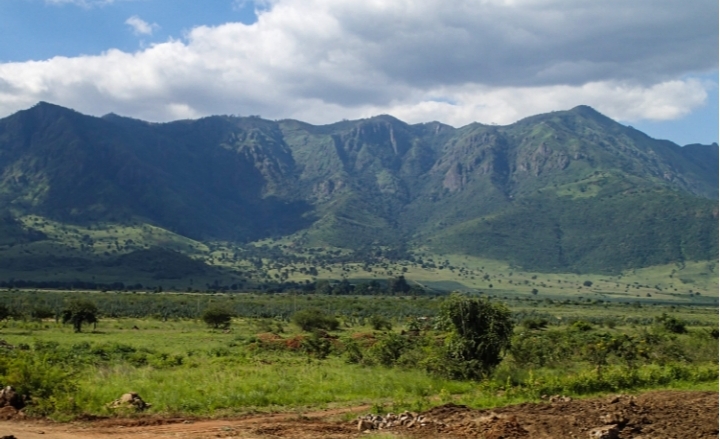
About 2 hours driving distance from Moshi, the remote and wild Northern Pare Mountains offer a great opportunity for hiking off-the-beaten-path. The drive is very bumpy in places but offers many lovely views of the surrounding countryside, and you’ll pass through many small villages along the way.

Lake Jipe offers a great spectacle for wildlife wonderers. Hippos and crocodiles can be seen crossing the lake. On the Kenyan side, herds of zebras and elephant can be observed grassing at the plains of Tsavo National Park. A very special experience is to watch the elephants swim across the lake in the dry season (from late June to October). This lake offers a quintessentially off beaten path experience for adventurers looking to be in contact with local people and experience their life style.

Enjoy a wooden canoe tour with the local fishermen at Lake Jipe.

A perfect combination is to hike the Pare Mountains on the first day and to enjoy a canoe tour during the second day.

COST FOR LAKE JIPE DAY TOUR

USD $120 per person based on 2 people.

Note: The above price act us a guide. Price subjected to change based on the different facts as group size and many other reasons. Contact us for full customized tour.

Our Package Includes

Transport to/from gate

Park fees

Professional English speaking mountain guide

1.5 bottle of water

Lunch box

Pick up to the hotel and drop off to the hotel after the tour

Not Included

Personal items (Sturdy shoes, swim wear & towel)

Gratuities / "tip" for guide

Increases in park fees where applicable


FLOWERS OF KILIMANJARO


PLANTS OF MOUNT KILIMANJARO


What Plants and Trees Will I See on Mount Kilimanjaro?
Climbing through the five ecosystems of Mount Kilimanjaro rewards trekkers with a visual display of brilliant and unique plant life. There are flowers, plants and trees that you can find in no other part of the world but here. In this article, we show you some of the most striking, strange and common flora you will find on the mountain.
Everlasting Flowers
These flowers (Helichrysum meyeri- johannis) are very common on Kilimanjaro at elevations between 8,000 to 15,000 feet. It is the highest flowering plant on the mountain. They are known as everlasting flowers because they can bloom year round. This herbaceous perennial grows in clumps and can reach almost two feet tall.
The everlastings here have a yellowish-brown shade, with lemon-scented, pale white leaves. The leaf, stem and flower structure helps these plants survive the dry and frosty climate of the mountain.

Protea Kilimandscharica
Proteas were named after the Greek god Proteus, son of Poseidon, who had the ability to transform himself into many different shapes. These plants are known for their unusually shaped, delicate flowers.
Protea Kilimandscharica is found in the heath ecological zone on Mount Kilimanjaro. Also called sugarbushes, proteas are considered to be among the oldest of flowering plants.

Stoebe Kilimandscharica
Stoebe is a genus of African plants in the daisy family. The shrub has slender, wiry branches are covered with small leaves which are pressed to the stem. The flowerheads are located at the ends of the main shoots.
Stoebes are very hardy even invasive plants that are extremely hard to eradicate.

Red Hot PokerThe red hot poker, also know as a torch lily, is a showy and dramatic plant. A member of the liliaceae family, these drought and heat tolerant perennials flourish in the arid areas of Mount Kilimanjaro.
The flowers are a bright orange and yellow, resembling blazing hot metal that has been removed from a forge.

Lobelia Deckenii
Lobelia deckenii is a giant lobelia found only in the high mountains of East Africa, between 12,000 to 15,000 feet. The lobelia grow up to 10 feet high, have hollow stems, and tall flower-like spikes.
This plant has an incredible ability to combat cold. It closes its leaves at night to protect its central core. Leaf rosettes around the stem hold reservoirs of water that freeze into cubicles every night. This layer of ice further protects the core of the plant.

Hebenstretia
Dentata Hebenstretia Dentana is a long-flowering, summer perennial with masses of small white flowers. It’s known as the “white flowering plant.” This perennial forms bushy clumps up to two feet high.
Pure white flowers form along the top of the upright stems which branch at the base. The flowers from early summer to late autumn.


Fireball Lily
The vivid plant is also known as the African Blood Lily. The spectacular flowerhead is a large spherical mass can grow to a diameter of 9 inches wide and is made of up tp 200 tiny florets. Each plant will produce one flowerhead in a season.
The bulbs are toxic if ingested. The extract is used to make poison tip arrows and fishing poison.

Dendrosenecio Kilimanjari
Dendrosenecio Kilimanjari is a giant groundsel found only on Kilimanjaro. These unusual plants inhabit the middle altitudes on the Shira Plateau and around Barranco Camp Dendrosenecio Kilimanjari is slow growing but can reach a height of 20 feet high.
The groundsel has remarkable adaptations for living in the alpine environment. The old dead leaves fold over the trunk to give it insulation. The pith of the stem stores water. Special fluids are secreted that give it resilience to freezing. And like the Lobelia Deckenii its leaves close when it gets cold to keep the frosty air out.

Tussock
Tussock are a group of grass species that grow as singular plants in bunches, rather than forming a sod or lawn. They have long roots that may reach deep into the soil and can obtain more moisture than other grasses and plants during periods of drought.
The tussock grasses of Mount Kilimanjaro provide habitat and food for insects, birds, and small animals.

Old Man’s Beard
Usnea is a genus of pale grayish-green lichens that grow on bark or twigs of host trees. The shrub-like lichen hangs in clumps resembling white hair, thus its common name, old man’s beard. Lichen is not a plant, although it is often mistaken for one. It is a combination of algae and fungi that grow together symbiotically.
The plant body of usnea is used to make medicine for weight loss, pain, fever, and wound healing.


OUR SERVICE

OUR SERVICE


Why Us?
Porter Welfare
Foot On Kilimanjaro commits to:
Limiting porter loads to 20 kg per porter.
Paying porters a fair salary.
Ensuring porters have enough food for the duration of the trip.
Ensuring that porters have suitable shelter for the duration of the trip.
Providing porters with adequate clothing for the harsh mountain climate.
Treating porters with the respect they deserve.


Quality of Service
Foot On Kilimanjaro commits to:
Answering emails from all clients in a timely manner.
Providing high quality service throughout the trek, including quality tents and sleeping mattresses, and quality food.

Our Kili Treks
We specialized in leading treks to Kilimanjaro and around the world, we plan to help you attain the skills and background information needed to succeed and enjoy your chosen adventure. From the minute you sign up to one of our trips, we want to be your number one resource giving you the skills and information you need. If you are a beginner hill-walker or advanced climber we have a team in place to prepare you to achieve your goal.

We help individuals, groups, teams and charities achieve their goals in the mountains. With proven professionals preparing you with the skills and training needed to success in the world’s mountain ranges.