Day 0:
Arrived at Kilimanjaro International Airport, you will be met and transferred for overnight accommodation at Altezza Lodge 4 B&B.
https://www.altezza-lodge.com
Your head guide will meet you for your briefing the next day on 04th September 2023, gear check and arrange for you to hire any equipment you may need.
DAY 1:
LONDROSSI GATE – MTI MKUBWA CAMP: 4.8K /3MI | 3-4 HRS | RAINFOREST
Elevation: 2389m/7838ft to 2785m/9137ft
Altitude gained: 396m
Departing from Moshi a 45-minute drive will take you through welcoming mountainside villages to the Kilimanjaro National Park Gate. We will patiently wait for our permits to be issued while watching the hustle and bustle of operations as many crews prepare for the journey ahead Enjoy the beautiful rainforest scenery and windy trails while your guide tells you about the local flora and fauna and natural wildlife. At these lower elevations, the trail can be muddy and quite slippery. We highly recommend gaiters and trekking poles here.
DAY 2:
MTI MKUBWA CAMP – SHIRA I CAMP: 7.9KM/5MI | 4-6HRS | MOORLAND
Elevation: 2785m/9137ft to 3504m/11,496ft
Altitude gained: 719m
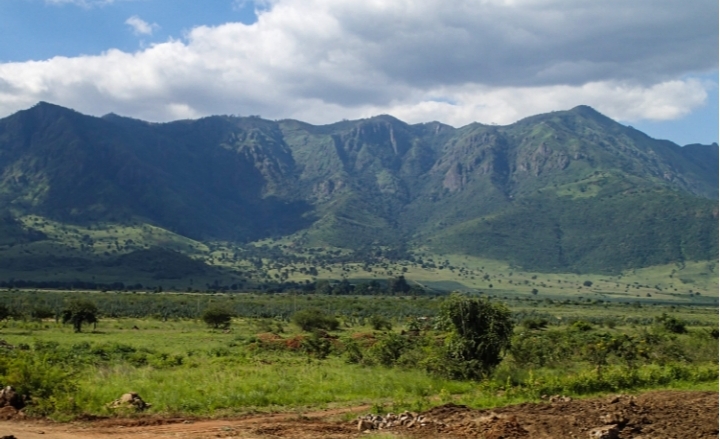
After a good nights sleep and a hearty breakfast, we emerge from the rain forest and continue on an ascending path, we leave the forest behind now, the trail climbs steadily with wide views to reach the rim of the Shira Plateau. Temperatures begin to drop.
DAY 3:
SHIRA I CAMP –SHIRA II CAMP: 6.9KM/4MI | 3-4HRS | LOW ALPINE
Elevation: 3504m/11,496ft to 3895m/12,779ft
Altitude gained: 391m
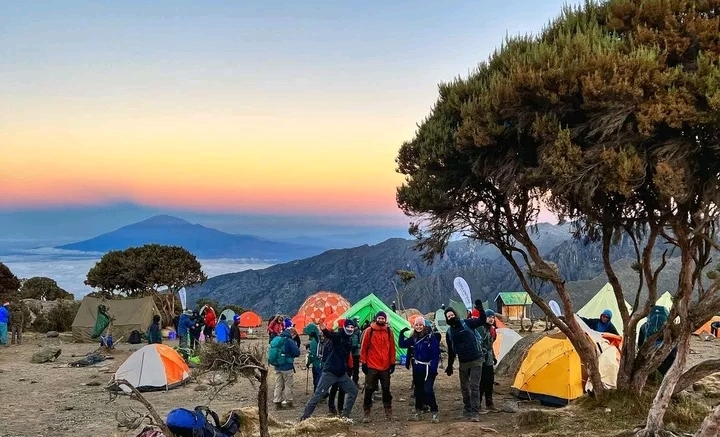
Our trek crosses the Shira one of the highest plateaus on Earth, from Shira I Camp to Shira II Camp. Nine-day climbs will stay the night at Shira II Camp joining climbers ascending from the Machame Route. At Shira II Camp it is worth the extra energy to go a bit higher up the plateau to enjoy the stunning view across the valley below and view the Western Breach of Kilimanjaro above. The plateau is exposed so be prepared for a cold night with temperatures getting below zero.
DAY 4:
SHIRA II CAMP – MOIR HUT: 9 KM/11.1MI | 2-3HRS | HIGH ALPINE
Elevation: 3895m/12,779ft to 4300m/13,077ft
Altitude gained: 100m
This day is very important for acclimatization. From Shira Plateau we continue North towards Moir Hut, Arrived at Moir Hut Lunch Rest then later in evening we acclimatized for 300m up and then get back to the camp for dinner.
Dinner and Overnight at Moir Hut
DAY 5:
MOIR CAMP – BUFFALO CAMP: 9.2KM/5.7MI | 5-7HRS | HIGH ALPINE ZONE
Elevation: 4155m/13,632ft to 4033m/13,232ft
Altitude loss: 122m
We begin with a moderately steep climb out of Moir Valley. If you wish, take a small detour here to climb the summit of Little Lent Hill at 4,375 meters before returning to the Northern Circuit trail. The route follows a series of inclines and declines, skirting around the northern slopes of Kibo to Buffalo Camp. Spectacular views of plains north of Kilimanjaro that stretches as far as the eye can see to the Kenyan / Tanzanian border. You will arrive at Buffalo Camp just after midday, where you will have lunch and have time to rest.
DAY 6:
BUFFALO CAMP – RONGAI 3RD CAVE: 6.8KM /4.3MI | 5-7HRS | ALPINE DESERT
Elevation: 4033m/13,232ft to 3936m/12,193ft
Altitude lost: 97m
Day six starts with a climb up the Buffalo Ridge and down into Pofu Camp where lunch is served. We continue East around the Northern slopes to the Rongai Third Cave. Today’s climb is shorter than the day before and you should be feeling better acclimatized to the altitude at this point. You will arrive at the Third Cave just around mid-afternoon
DAY 7:
RONGAI 3RD CAVE – SCHOOL HUT:4.8KM /3MI | 5-7HRS | GLACIAL ZONE
Elevation: 3936m/12,913ft to 4717m/15,476ft
Altitude gained: 781m
A steady ascent and over the Saddle which sits between the peaks of Kibo and Mawenzi Peak. Continue Southwest to School Hut where you will be served an early dinner and the rest as you will begin just before midnight to start your summit attempt. Remember to prepare all your gear, including warm clothes, insulated water bottles, snacks, headlamp, and camera before going to bed.
DAY 8:
SCHOOL HUT – SUMMIT: 5.9KM /3.7MI | 6-8HRS | – MWEKA CAMP: 13KM /8MI DOWN | 5-6HRS | GLACIERS, SNOW CAPPED SUMMIT
Elevation: 4717m/15,476ft to 5895m/19,341ft
Altitude gained: 1178m
Descent to 3106m/10,190ft
Altitude lost:2789m
Excitement is building as morning comes with an early start between midnight and 2 a.m. This is the most mentally and physically challenging portion of the trek.
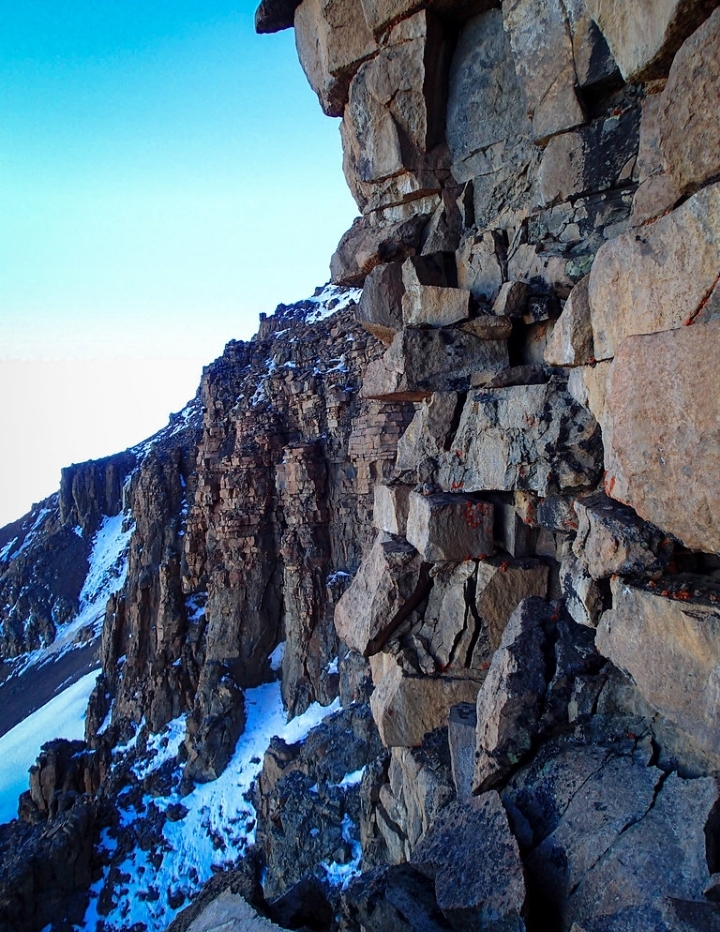
We continue our way to the summit between the Rebman and Ratzel glaciers trying to stay warm and focused on the amazing sense of accomplishment that lies ahead. With a switchback motion in a northwesterly direction and ascend through heavy scree towards Stella Point on the crater rim. You will be rewarded with the most magnificent sunrise during your short rest here. Faster hikers may view the sunrise from the summit. From here on your remaining 1 hour ascent to Uhuru Peak, you are likely to encounter snow all the way.
Congratulations, one step at a time you have now reached Uhuru Peak the highest point on Mount Kilimanjaro and the entire continent of Africa!
After photos, celebrations and may be a few tears of joy we take a few moments to enjoy this incredible accomplishment. We begin our steep descent down to Mweka Camp, stopping at Millennium Camp for lunch and a very brief rest. We strongly recommend gaiters and trekking poles for uncooperative loose gravel and volcano ash terrain. Well-deserved rest awaits you to enjoy your last evening on the mountain. Overnight Mweka Camp.
DAY 9:
MWEKA CAMP – MWEKA GATE – MOSHI: 9.1KM/6MI |3-4HRS | RAINFOREST
Elevation: 3106m/10,190ft to 1633m/5358ft
Altitude lost: 1473m
After breakfast and a heartfelt ceremony of appreciation and team bonding with your crew, it’s time to say goodbye. We continue the descent down to the Mweka Park Gate to receive your summit certificates. As the weather is drastically warmer, the terrain is wet, muddy and steep and we highly recommend Gaiters and trekking poles.
From the gate, a vehicle will meet you at Mweka village to drive you back to your hotel in Moshi (about 30 minutes). Enjoy a long overdue hot shower, dinner and celebrations!!
Overnight at Altezza lodge B&B
https://www.altezza-lodge.com
Before being transferred to your journey home, safari or a relaxing trip to Zanzibar.
INCLUDED IN TREKKING PACKAGE:
• Kilimanjaro trekking according to the itinerary
• Professional, English-speaking Wilderness First Responder & CPR certified Guide
• Proper Ration of Mountain crew (Cook & Porters)
• Pre and Post accommodations (2 nights Bed and Breakfast)
• Airport Transfers
• Meals according to the itinerary
• Drinking water and Full Board Meals
• All National Park & Hut Fees, Crew Permits and VAT
• Fair and Sustainable Salary Crew Wages
• Gate Transfers
• Complimentary Oxygen Cylinder
• Portable Private Toilet and Porter
• Quality Imported Equipment’s
EXCLUDED FROM TREKKING PACKAGE:
• Flights
• Visa fees
• Travel or Medical Insurance is required and you should ask for Recommendation
• Gamow Bag
• Medication
• Tips for porters and mountain crew
• Personal spending money for souvenirs etc.
• Energy food & beverages, alcoholic and soft drinks
• Personal hire gear such as trekking poles, sleeping bags, etc.
• Additional lodge nights if early descent from the mountain $75 per room